DOMAINS / LAB AUTOMATION
Lab Automation
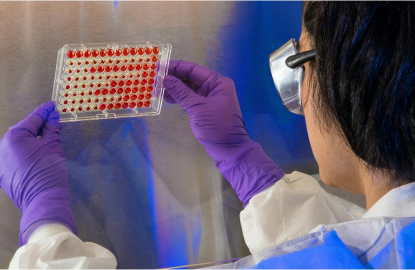
Lab Automation refers to the use of technology to perform laboratory tasks and processes with minimal human intervention. Lab Automation involves using technology, robotics, and software to automate various laboratory tasks, such as sample preparation, data analysis, and experiment execution. It enhances efficiency, reduces human error, and accelerates research and development in fields like biotechnology, pharmaceuticals, clinical diagnostics, and synthetic biology.
Laboratory Device Automation
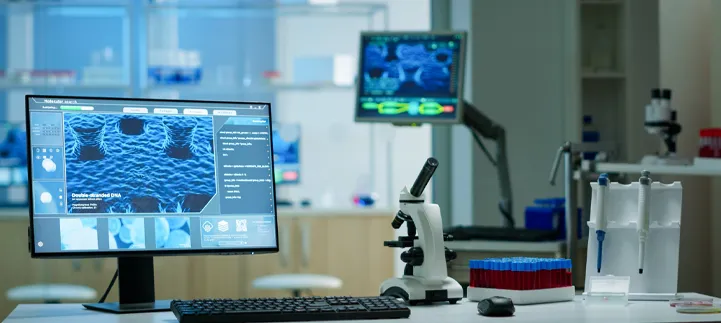
Laboratory Device Automation is a key aspect of Lab Automation, which refers to the integration of instruments, software, and workflows in a laboratory to perform tasks with minimal human intervention. The automation of laboratory devices enhances the precision, reproducibility, and efficiency of experiments and processes. This technology is widely used across various sectors, including life sciences, pharmaceuticals, chemistry, and synthetic biology, among others.

Lab Software Algorithms & Methodologies
Lab automation is the use of technology to streamline and optimize laboratory workflows, increasing throughput, accuracy, and efficiency. Lab automation software often includes algorithms and methodologies designed to automate processes, manage data, and enhance the precision of experiments and analyses. These algorithms and methodologies are essential components in handling the complexities of lab operations, from managing robotic systems to analyzing experimental data.

Automated Clinical Analysis & Diagonosis
Automated Clinical Analysis and Diagnosis Services in lab automation refer to the use of technology, robotics, and software systems to streamline and enhance the process of conducting clinical tests, analyzing results, and diagnosing patients. These services aim to improve the efficiency, accuracy, and speed of laboratory operations, reducing human intervention and error, while enabling high-throughput analysis.